The Benefits of Group Drawing for Children: Socialization and Creative Collaboration
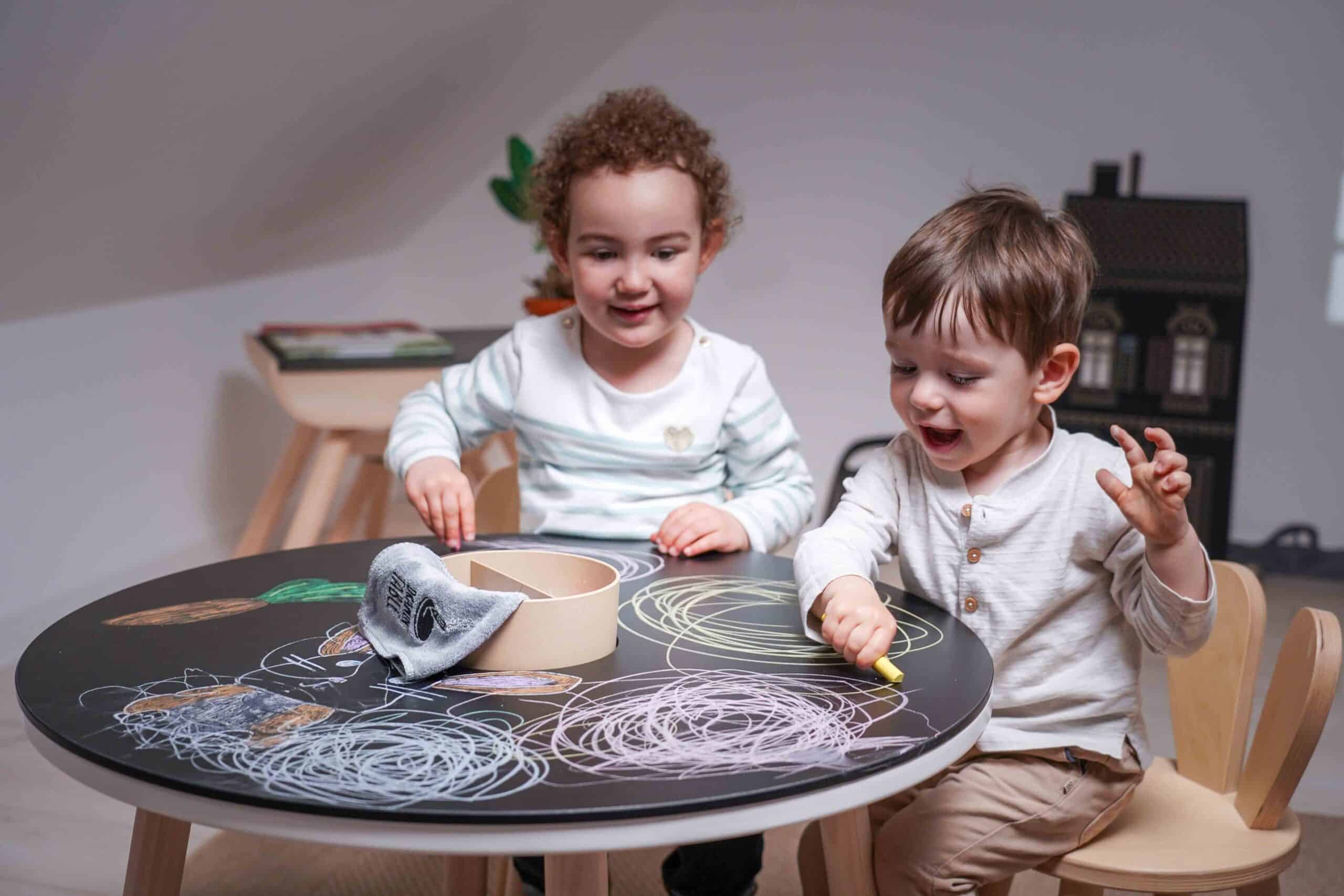
Watching a group of children gathered around a coloring table, absorbed in creating a shared artwork, reveals much more than just a moment of fun. Group drawing for children is a rich experience, blending collective artistic awakening with learning about social interaction. By sharing crayons, ideas, and smiles, children discover the virtues of cooperation, listening, and mutual respect. This activity, both playful and educational, contributes to their overall development while stimulating their imagination.
Group dynamics: a driving force for children's creativity
Stimulating the imagination through interaction
When a child engages in a group art activity , they draw inspiration from the ideas and techniques of their peers. This creative energy, characteristic of collaborative drawing among children , encourages the emergence of new forms of expression. Spontaneous exchanges, shared suggestions, and friendly challenges invite everyone to push their own boundaries while being inspired by others. In this way, a child's creativity flourishes within a group setting, fostering a climate of positive competition.
Promoting shared artistic expression
Collaborative drawing allows for the creation of unique works, where each contribution finds its place. This shared artistic expression values the diversity of styles and ideas, while also boosting self-esteem. Children learn to recognize the value of their participation and to appreciate teamwork. This experience, lived during a group drawing workshop for children , proves particularly enriching, as it teaches the joy of creating together.
Group drawing: a field for social learning
Developing cooperation and empathy
Creating a collaborative mural or inventing an illustrated story together requires agreement, negotiation, and sometimes compromise. These situations foster cooperation among children and the emergence of genuine solidarity. Learning to share through drawing also means understanding others' perspectives, respecting their choices, and collaborating to achieve a common goal. These social skills, acquired through creative group play , will be invaluable throughout their lives.
Strengthening social interaction in children
development through art also involves discovering new modes of communication. Sometimes, drawing becomes a universal language where words give way to colors and shapes. This non-verbal communication through drawing helps more reserved children express themselves and build relationships with their peers. For many children, hands-on activities then become an ideal opportunity to forge new friendships.
Create an environment conducive to artistic collaboration
The importance of a suitable space
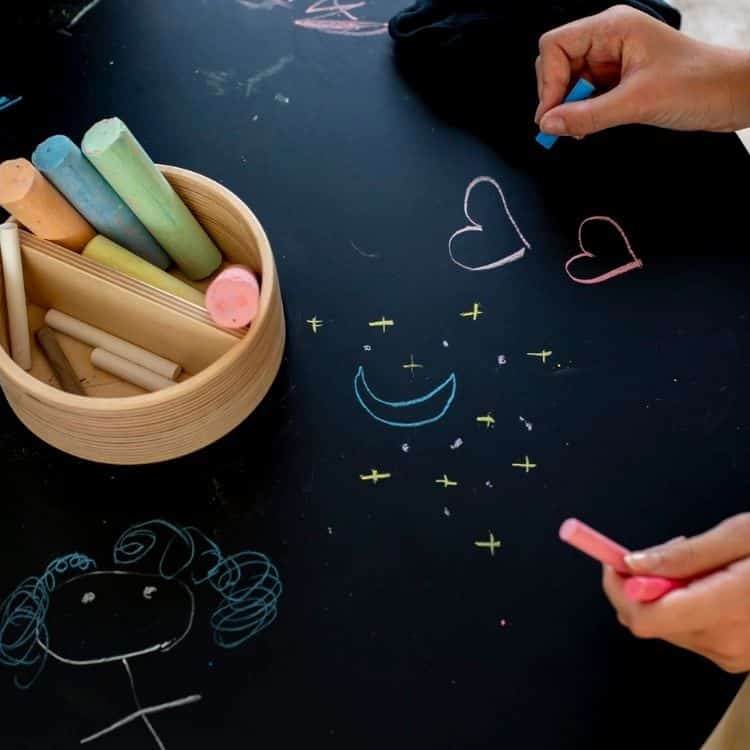
For the magic to happen, it's essential to provide children with an environment designed for creative collaboration . A multifunctional coloring table, such as the Drawin'table from Drawin'kids, offers a welcoming space where everyone can settle in as they please. Its reversible surface, suitable for markers, chalk, and themed paper, encourages children to explore different techniques while facilitating the sharing of materials.
The role of tools and accessories
The carefully selected coloring accessories contribute to the collective experience. Papers with various patterns, magic crayons, and glitter markers stimulate the desire to create together. Offering a diverse range, such as that of the MAPED brand associated with the Drawin'table, allows each child to find the tool that suits them best, while encouraging cooperation and discovery.
Encouraging personal growth through collective art
To generate enthusiasm and confidence
Participating in a group drawing workshop for children or improvising a creative session at home offers each child the opportunity to express themselves freely, without fear of judgment. Adult encouragement and the recognition of collective achievements boost self-confidence and enthusiasm for art. Children enjoy showing their artwork and sharing the story of their collaborative creation.
Promoting autonomy and initiative
drawing for children encourages them to take initiative, propose ideas, and organize the execution of a project. This autonomy, acquired in a playful context, prepares children to face future challenges, both academically and personally. Collaborative art thus becomes a true springboard for their overall development.
Towards shared creativity, a source of precious memories
Giving children the opportunity to express themselves together through drawing allows them to forge strong bonds and cultivate a love of creativity. Whether it's during an afternoon with friends, at school, or as part of an organized activity, these moments of collaborative drawing remain etched in their memories. The Drawin'table by Drawin'kids, designed to support these moments of sharing, embodies this approach, offering a space where each child feels welcome and can fully flourish.
If you would like to learn more about how to foster children's creativity in groups or discover ideas for collective artistic activities , please do not hesitate to contact us : the Drawin'kids team is ready to listen to you, support the artistic awakening of the youngest children, and share its passion for art in all its forms.
Our latest articles