Top! Fast delivery time, perfect packaging and finally the sheets comply with the description
Samir Z.
🎨 Imagine, draw, create… endlessly!
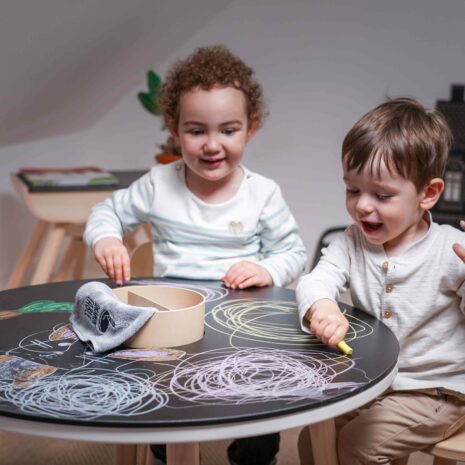
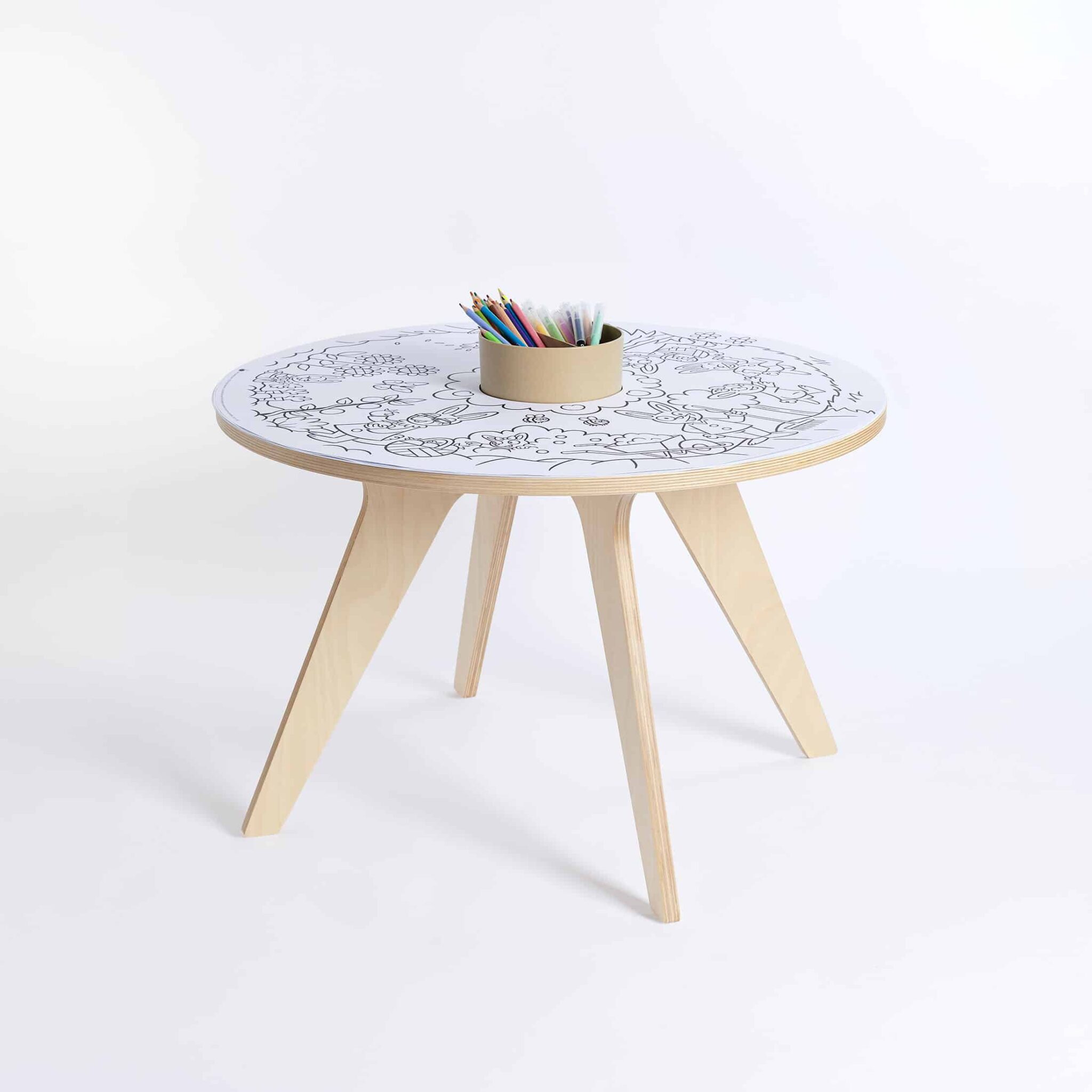
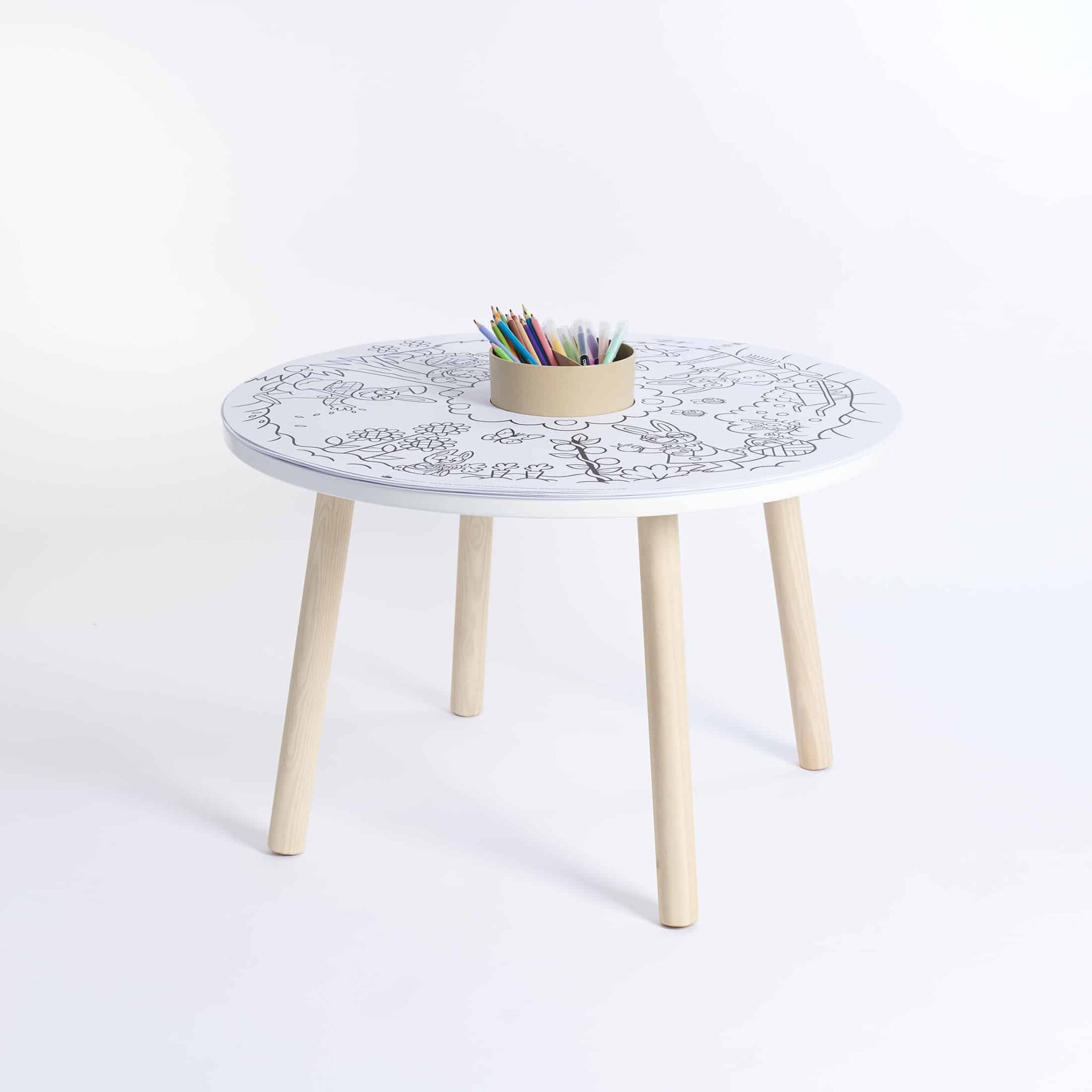
There Drawing table and theImagin'table They share the same concept: an evolving and creative table designed for children. But they differ in their materials, their construction, and some features:
In summary, the Drawing table is an iconic, high-end piece, while theImagin'table is an evolving and more accessible version, ideal for families looking for flexibility and practicality.
As soon as your order is validated, you will receive a confirmation email. You can also find all the information in the "My Account / My Orders" section.
If you haven't received an email, please check your spam folder. If you have any questions, please contact us at [email protected].
Yes, as long as your order hasn't shipped. Write to us as soon as possible at [email protected] or call us on (+33) 6 31 83 21 72.
Yes, creating an account is required when placing your first order. This allows you to track your orders, save your addresses, and access your invoices.
Yes, we ship worldwide. If your country doesn't appear when ordering, please write to us at [email protected]We will find a solution.
We work with DHL and FedEx.
Average delivery times:
Other countries:
Free collection in Ancenis (44)
Once shipped, you will receive an email with your tracking number. You can also track your order in your customer account or on the DHL or FedEx website.
Yes, it's possible thanks to Paypal, which offers payment in 4 installments without fees (subject to eligibility).
When placing your order, simply choose Paypal as a payment method, then select the "Pay in 4 installments" option if it is offered to you.
This service is offered directly by PayPal according to their own criteria (amount, country, history, etc.).
A great way to get your hands on the Drawin'table®, the Imagin'table or accessories with complete peace of mind, without impacting your budget all at once!
All our products comply with European standards EN 71 (toy safety). They are manufactured in Europe using certified materials.
Yes, all our products benefit from the 2-year legal guarantee of conformity (articles L.217-3 et seq. of the Consumer Code), as well as the guarantee against hidden defects (article 1641 of the Civil Code).
What the warranty covers:
What the warranty does not cover:
Our products being made in small batches and with natural materials, of slight visual irregularities (nuances of color, micro-surface defects, variations in wood grain or paint less than 0.5 cm) may occur.
They are without impact on usage of the product and cannot be considered as defects within the meaning of the legal guarantee.
For any complaints related to a defect, please contact us at [email protected]We will guide you through the process.
Yes, in accordance with the legislation, you have a 14-day deadline from the date of receipt of your order to exercise your right of withdrawal.
To initiate a return, simply write to us at [email protected] Please provide your order number. We will guide you through the process.
Returned products must be:
Returns that do not comply with these conditions will not be eligible for a refund.
Yes, return shipping costs are the responsibility of the customer, unless the return is due to an error on our part or a defective product.
In this case, please contact us before returning any item to [email protected].
Once the return has been received and verified, we will process the refund via the payment method used for the order within 14 days maximum.
No, in accordance with Article L.221-28 of the Consumer Code, personalized, custom-made or made-to-order products (e.g., personalized refills, special editions, pre-orders) cannot be returned or refunded.
We take the greatest care in packaging our products. However, an incident may exceptionally occur during transport.
Important: If the package is presented to you damaged, open, or shows signs of impact, refuse delivery and specify the reason for refusal (e.g., "damaged package", "open package") on the delivery note or the carrier's terminal.
If you accept a damaged package without reservation, it will be difficult for us to open a claim with the carrier.
If you have nevertheless accepted the package, please contact us within 48 hours at [email protected], with :
We will get back to you quickly with a suitable solution (exchange, spare part, refund, etc.).
Yes, our trays Play & Build MINI are compatible with classic LEGO® bricks (standard size), and the trays Play & Build MAXI with DUPLO® bricks (large size).
These products are not neither affiliated nor sponsored by the LEGO® or DUPLO® brands.
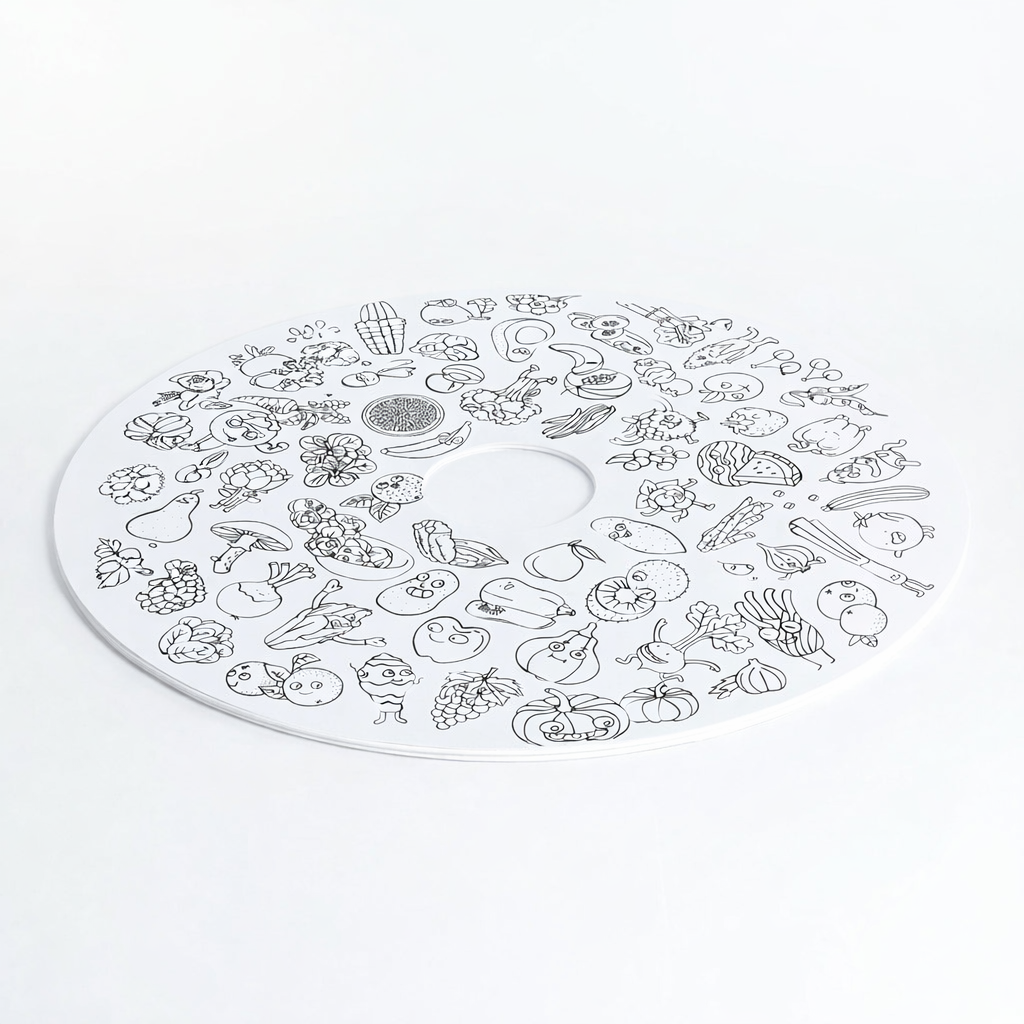
The Play & Build tabletops have been designed to fit perfectly on our 70cm diameter table models Drawin'Table® (Home edition) and Imaginable®.
They are not compatible with the Drawin'table XXL.
To preserve surfaces, we recommend using:
Availability is indicated on each product sheet:
If you are interested in a product, sign up for the “Notify Me” alert to be informed when it is back in stock.
Our team is available by email at [email protected] or via our contact form. We usually respond within 24 hours (excluding weekends and public holidays).
Write to us at [email protected] with your order number. We will do everything we can to provide you with a quick and suitable solution.
Many parents today are looking for simple alternatives to screensespecially after school, on weekends or on rainy days.
And often, it is not the most sophisticated activities that work best, but those that children can easily find, independently, in a calm and reassuring environment.
Activities that work particularly well on a daily basis are often:
Many families also notice that after a few minutes of drawing or building, the atmosphere at home naturally becomes calmer, especially before dinner or during quiet times after school.
Creating a permanent creative corner helps enormously. When a child can access their markers, games, or a table adapted to their size on their own, it becomes easier for them to play spontaneously, without waiting for an adult to organize an activity.
Some families, for example, use the Drawin'Table® of Drawing Kids after school or during dinner preparation to offer a calm activity that really lasts, without screens and without excessive commotion.
Boredom is part of a child's development. It can even become a powerful engine of creativity, provided the environment allows the child to imagine, create, and explore freely.
In many families, children primarily need an accessible space where they can:
Open-ended activities — such as free drawing, building, or reusable creative activities — often have a greater long-term impact than highly directed or ultra-stimulating activities.
Parents today are also looking for activities that can genuinely occupy children for a few minutes without constant noise, screens, or the need to prepare everything each time. This is often what gradually transforms the overall atmosphere of the home.
A space designed for children, but integrated harmoniously into the home, it also helps to reduce the mental load of parents: less permanent tidying, fewer conflicts around screens and more fluidity in daily life.
Many parents are looking for activities that can actually occupy children for more than a few minutes, especially after school, on weekends, or when parents need to cook, work, or simply take a break.
In reality, the activities that last the longest are often those that give children a lot of freedom. When there is no imposed objective or overly strict rules, children generally stay focused longer and return to the activity more easily on their own.
Quiet activities that often keep children occupied for extended periods include:
Unlike highly structured activities or games that quickly become repetitive, the creative activities They naturally evolve with the child's ideas and age. The same space can be used for drawing, building, inventing stories, or playing together for extended periods.
In many families, parents also notice that a child stays focused longer when the activity is easily accessible and already set up. Being able to start playing immediately, without complicated preparation, significantly changes daily routines.
Some families, for example, use a creative table like the Drawin'table® from Drawing Kids to offer a calm activity that really lasts: children can draw, color, build or play together in the same space, often for much longer than with highly stimulating activities or single-use games.
These moments of quiet play also allow parents to find a little breathing room during the day, with less agitation and fewer constant demands.
Calm moments cannot always be decreed. They often appear when the pace slows down naturally, thanks to simple habits and suitable activities.
In some families, establish a quiet time after school or before dinner It helps enormously to calm down at the end of the day. Drawing, building, or creative activities allow children to gradually refocus after a very stimulating day.
The most common activities used to create these break times are often:
Unlike screens, which often maintain a high level of excitement, creative activities promote gentler concentration. Many parents find that after 20 minutes of coloring, drawing, or collaborative play, conversations flow more smoothly and the atmosphere becomes more peaceful.
At the house of Drawing KidsThis idea of “shared quiet time” is an integral part of the product design: creating spaces where children can play, draw and imagine together in a more peaceful atmosphere, while seamlessly integrating into the family home.
Autonomy is built gradually. When a child can easily access an activity they enjoy—drawing, building, inventing—they often become able to play alone for longer periods, without constantly asking their parents for help.
The environment plays a crucial role. An overly cluttered space or toys stored out of reach often hinder independent play. Conversely, a simple, organized, and accessible creative corner naturally encourages children to return to play on their own.
Activities that particularly promote standalone game are often:
Many parents note that when activities remain visible and easy to use, children gradually develop their ability to occupy themselves, especially during quiet times of the day.
The activities that most promote autonomy are often the simplest: those that require neither screens, nor complex preparation, nor constant intervention from an adult.
Children naturally gain independence when they can:
Drawing, building, or creative play allow precisely this freedom. These activities also contribute to development:
Parents today are looking for activities that can grow with their children and remain interesting for several years. Multifunctional creative spaces like theImaginable® or the Play & Build® boards of Drawing Kids They respond precisely to this logic of free and sustainable play.
Removing screens without offering alternatives rarely works in the long run. Children primarily need engaging activities that naturally capture their attention.
In many families, installing a permanent creative corner It helps to gradually reduce screen time without constant tension. When a child can easily start drawing, building, or playing, the transition often becomes more natural.
The easiest alternatives to screens to implement are often:
For example, some families replace screen time after school with quiet, creative time before dinner. This type of routine often helps to lead to more peaceful evenings and more serene bedtimes.
This is a very common question among parents, especially at the end of the day when everyone is tired.
The most useful activities at these times are generally:
Drawing, building, and creative activities around a table work particularly well because they allow the child to stay close to the parent while being occupied independently.
Many families, for example, install a creative corner in the living room so that the children can draw or build during meal preparation times.
This proximity reassures the children while allowing the parents to take a breather during meal preparation.
Some families, for example, use the Drawin'Table® as a transition space after school: children naturally settle in while dinner is being prepared, without screens and without excessive commotion.
After a day at school, many children need to unwind before tackling homework, bath time, or dinner.
In some families, immediately offering a screen actually increases the level of stimulation and complicates the rest of the evening.
The activities that most help create a calm transition are often:
These activities allow children to gradually slow down while remaining occupied.
Many parents notice that after a few minutes of quiet activity, conversations flow more easily and tensions naturally decrease at the end of the day. Creating a calm routine after school also helps children find reassuring points of reference in the family daily life.
The atmosphere of a home often depends on the type of activities offered to children.
Highly electronic or ultra-stimulating games generally generate more excitement and noise. Conversely, creative activities promote calmer and more sustained concentration.
Activities that contribute most to a peaceful atmosphere are often:
When a children's space remains organized, accessible and visually appealing, children also tend to settle in it more easily and for longer periods.
Parents today are increasingly looking for objects that can blend seamlessly into the home without giving the impression of an "invasion of plastic toys." This is one of the reasons for the growing interest in premium brands like Drawing Kids, which offer creative spaces designed as much for children as for the aesthetics of everyday family life.
Drawing plays an essential role in a child's development.
It allows you to work, in particular, on:
But beyond learning, drawing is also a profoundly calming activityMany children naturally use coloring or creating to calm down after a busy day.
Unlike highly structured activities, drawing gives children a great deal of freedom. They can create, experiment, try again, and invent without the pressure of achieving a specific result.
This also explains why creative activities often remain interesting for a long time: they naturally evolve with the child's age and desires.
Read our blog post "The Benefits of Group Drawing for Children: Socialization and Creative Collaboration"
Creative activities require attention without causing stimulation overload. They allow children to gradually concentrate in a calmer environment.
In many families, offering time for drawing or building after school helps to avoid the end-of-day "peak of agitation" when everyone is tired.
Activities that are particularly calming for children often include:
The repetitive motion of coloring, the concentration involved in building, or the act of creating something with one's hands often contributes to naturally calming children.
These moments sometimes become genuine periods of calm in the daily family routine.
That is why the creative activities are often used in evening routines or transition times.
The games most conducive to creativity are often those that leave room for imagination and free play.
Activities that particularly stimulate creativity are generally:
Unlike highly scripted games, these activities encourage more:
Large collaborative spaces such as Drawin'kids creative tables also allow several children to create together while each keeping their own space.
At age 4, children develop their imaginations tremendously and often begin to concentrate for longer periods on an activity they are passionate about. They love to create, invent, build, tell stories and above all, do “like grown-ups”.
It is also an age when many parents are looking for activities that can occupy their child without screens, while promoting calm, autonomy and creativity.
The most suitable creative activities for 4-year-olds are often:
At this age, children particularly enjoy open-ended activities that allow them to mix several worlds: drawing and then building, inventing a story around their creations or playing together around the same space.
Many families notice that a 4-year-old child can concentrate longer when they can create freely without a set goal. Activities that are too structured or highly stimulating often tend to make them more restless, whereas drawing, building, or playing collaborative games promotes calmer and more sustained concentration.
Creative activities also contribute to development:
In many homes, creative time is gradually becoming a true daily ritual: a drawing after school, a construction before dinner, or a quiet coloring session on Wednesday afternoon.
Creative spaces like the Drawin'Table®, the Imagin'table® or the Play & Build boards of Drawing Kids precisely allow 4-year-old children to easily move from one activity to another in the same space, while promoting calmer and more harmonious moments at home.
Discover our creative play areas
At age four, children often need to move around… but also moments where they can slow down, imagine, and create at their own pace. Screen-free creative activities are particularly well-suited to this need for balance in daily family life.
At age 5, children develop their imagination, concentration skills, and desire to create independently. Many now enjoy spending more time on an activity when it gives them enough freedom to invent, draw, or build in their own way.
The most suitable creative activities for 5-year-olds are often:
At this age, children particularly appreciate spaces where they can mix several play worlds: drawing a city and then building on it, inventing stories, creating characters or playing together around the same project.
Open-air activities are often the most interesting, as they allow children to:
In many families, creative activities also become genuine quiet times after school. Some children like to draw while their parents prepare dinner, others build or invent stories before bath time or bedtime.
THE large collaborative spaces such as the Drawin'table®, the Imagin'table® or the Play & Build MINI boards of Drawing Kids precisely allow 5-year-old children to easily move from one activity to another in the same space, without screens and without excessive commotion.
At this age, children often seek activities that give them a sense of "doing it themselves." Creative spaces that allow them to work independently are particularly well-suited to this need, while also promoting calmer and more harmonious moments in the family home.
An effective creative space doesn't need to be huge. What matters most is that it's easily accessible and pleasant to use on a daily basis.
In many families, children play more when the equipment remains visible and available without having to set everything up each time.
The most useful items in a creative corner are often:
Many parents today are looking for more aesthetic and sustainable solutions than the brightly colored plastic tables.
Natural materials, clean lines and adaptable furniture make it possible to create a children's space that remains consistent with the rest of the decor.
Creative tables like those offered by Drawing Kids They are specifically designed for this purpose: to offer a real activity space for children while maintaining a premium aesthetic suitable for modern family interiors.
For everyday use, parents generally look for a table that can adapt to the child's different needs:
Parents often look for solutions that can serve both purposes:
Stability, durability and ease of maintenance are often essential in real family life.
Scalable and multifunctional solutions also help to avoid the accumulation of single-use furniture or toys.
Some families, for example, use interchangeable trays Drawin'board® Or Play & Build® in order to easily transform the same space according to the activities of the moment.
Today, many parents want to avoid visually cluttered children's spaces or furniture that clashes with the rest of the decor.
The goal is no longer just to keep children occupied, but to create a harmonious home where everyone naturally finds their place.
THE children's areas The most pleasant ones are often those that:
Creative activities also have the advantage of generating less noise and less commotion than some electronic toys.
Many families are now looking for solutions that can reconcile:
Many parents today want to create a warm and lively family home, without feeling that toys take up all the space in the living room.
The problem often stems less from the number of toys than from their organization and accessibility. When there isn't a dedicated children's area, activities naturally end up scattered throughout the house.
To avoid this feeling of clutter, families often opt for:
Creating a clearly defined creative space helps enormously. When a child knows where to draw, build, or play, they often become more independent in their play habits… and tidying up becomes much easier on a daily basis.
Many parents are also looking for more aesthetically pleasing solutions than brightly colored children's furniture or visually overwhelming plastic toys. Natural materials, clean lines, and adaptable spaces allow for a harmonious home while still giving children their own dedicated space.
THE creative tables like the Drawin'table® or the Imagin'table® of Drawing Kids They fit perfectly into this logic: to offer a real activity space for children without altering the aesthetics of the family home.
In many families, centralizing creative activities around a single space also helps to reduce the mental load associated with constant tidying and the impression of continuous disorder.
THE collaborative activities are often the most effective for siblings or moments shared between cousins and friends.
Activities that work particularly well in groups are often:
Giant drawings, constructions, or large play areas allow children to play together while each retaining their own space.
In many families, these activities also reduce conflicts related to sharing or competition, because children create side by side rather than against each other.
Getting children of different ages to play together isn't always easy. Younger children don't have the same concentration, abilities, or desires as older ones. However, certain activities naturally create smoother and calmer playtimes between siblings, cousins, or friends.
Activities that work best with multiple age groups are often:
Unlike highly competitive games, creative activities allow each child to participate at their own level. A younger child can color while an older one builds, invents, or draws with more detail. Everyone gradually finds their place without needing to "play the same way.".
In many families, large collaborative spaces also help reduce conflicts related to sharing. Children can play side by side while remaining focused on a common activity.
Some families, for example, use the Drawin'Table® of Drawing Kids during weekends, holidays or family time to allow several children to draw, build and create together in a calmer and more harmonious atmosphere.
Many parents also note that when children are brought together around a common creative activity, interactions often become more natural, even between different ages.
Games that most promote cooperation are often those that allow players to build or create together.
The most popular collaborative activities are generally:
These activities encourage children to discuss, share ideas, cooperate and invent together.
Many parents notice that when several children are focused on a common creative activity, the atmosphere often becomes calmer and more fluid.
THE collaborative coloring, building, or creative activities Open-ended games are often more interesting for developing interactions than highly competitive games.
The best family moments are rarely the most sophisticated. They are often simple moments:
Creative activities allow children and parents to share a moment without performance pressure or overstimulation.
In many families, these moments gradually become rituals:
It is often these small, repeated moments that create the most lasting memories.
Yes, provided that we prioritize activities that are scalable and reusable.
Open-ended activities—drawing, building, free creation—naturally evolve with the child's age. The same creative space can accompany a child for several years with different uses.
Parents also appreciate solutions that are easy to reinstall on a daily basis, without complex preparation.
The organization is often based on three elements:
Multifunctional furniture and permanent creative spaces avoid having to take everything out and put it all away several times a day.
Families are also looking for robust products that can withstand heavy use while remaining stylish over time.
Parents generally prefer certain materials:
Reusable surfaces, interchangeable trays, and easy-to-clean accessories allow for smoother daily use.
At the house of Drawing KidsThis practical dimension is an integral part of the experience: offering creative spaces designed to be lived in with families, day after day, without complicating the organization of the home.

Delivery within the
whole world

Manufacturing
European & responsible

Secure transaction
3D Secure

Responsive customer service
Response within 24 hours

My basket