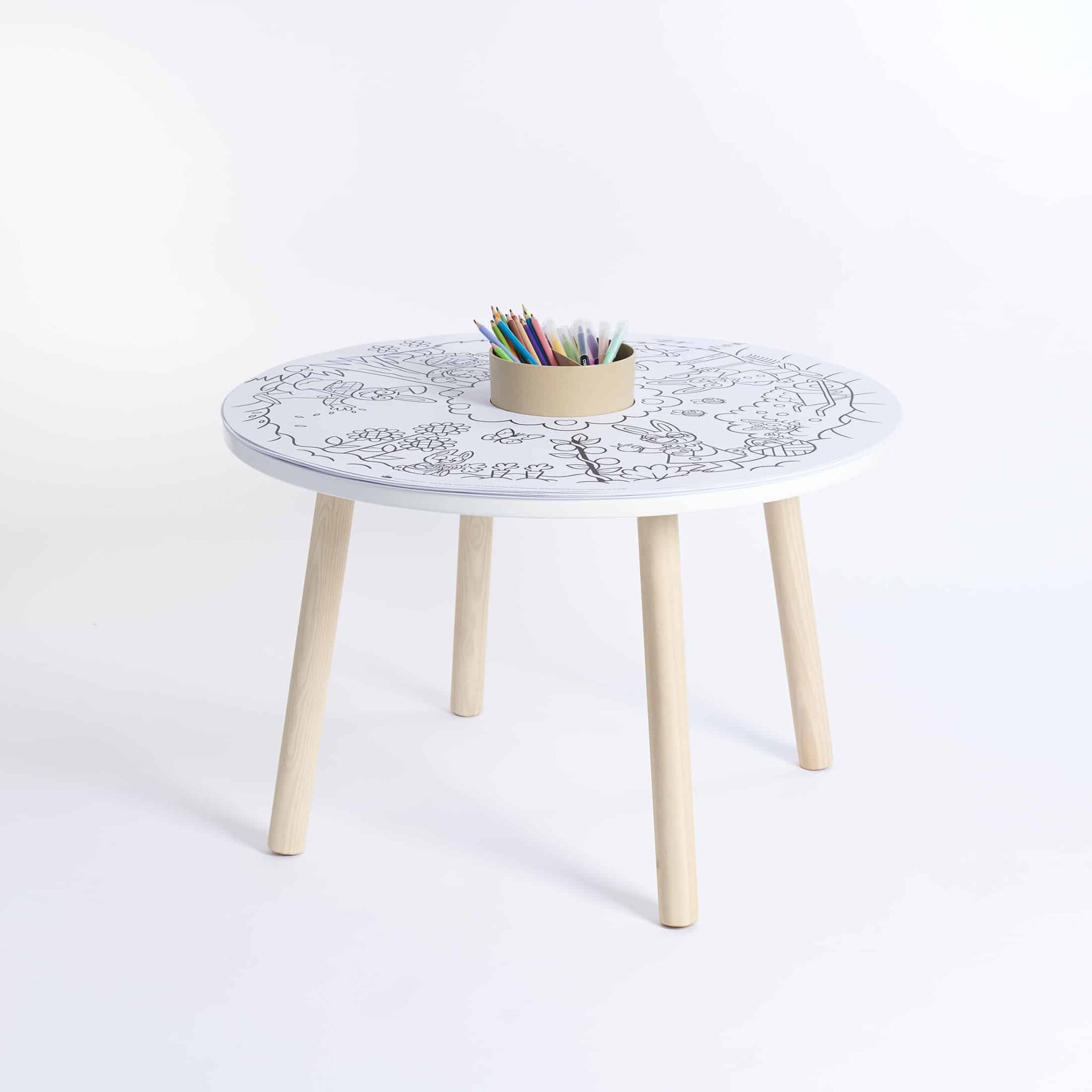
Top! Fast delivery time, perfect packaging and finally the sheets comply with the description
Samir Z.
❤️ Kids love it. Parents do too. • Made in Europe • Fast delivery
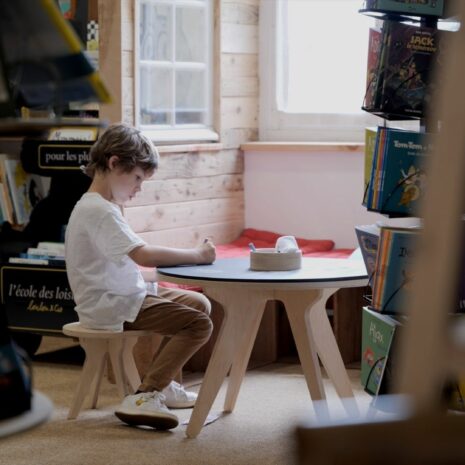
The check-in process is often one of the first real points of contact between a family and an establishment. After a sometimes long journey, children need to move around, parents have to manage arrival formalities, and the reception teams must maintain a smooth experience for all guests.
In many hotels, a few minutes of waiting is enough to create restlessness or fatigue in children. Yet, this moment greatly influences the first impression of the stay.
Today, many institutions are looking for solutions capable of:
For families, arriving at the hotel often represents an intense moment of transition:
When children get bored during this time, parents quickly feel a sense of tension or pressure. This can complicate communication with the staff and negatively impact the overall perception of the stay from the very first minutes.
Conversely, whena child can naturally occupy themselves in a suitable space, the arrival becomes much smoother and more pleasant for the whole family.
The most effective activities during check-in are generally:
Drawing, collaborative coloring, or open creative spaces work particularly well in hotels because they allow children to settle down naturally without generating excessive commotion.
In some establishments, offering a quiet activity upon arrival also allows:
Many families today appreciate hotels that truly anticipate children's needs without resorting to noisy entertainment or overcrowded spaces.
Many hotels want to become more family-friendly without turning their common areas into very colorful or visually overwhelming playgrounds.
Premium establishments often seek solutions:
The creative spaces developed by Drawin'kids fit perfectly into this logic: offering calm and collaborative activities that can be integrated naturally into a lobby, lounge or reception area while enhancing the family experience.
Sustainable materials, clean lines and screen-free activities help create more harmonious and pleasant spaces for all customers.
Establishments are increasingly seeking to limit screens in common areas, particularly in:
Screens tend to:
On the contrary, physical creative activities allow :
Hospitality professionals are now favoring solutions that promote:
Concepts like Drawin'kids are often cited in this context because they combine:
Today, more and more families are looking for hotels that can accommodate children intelligently and simply, without turning common areas into mini holiday clubs.
In premium hotels, the challenge is no longer just to offer facilities for children. Families now seek a seamless, peaceful experience that is consistent with the hotel's overall theme.
Many hotels want to become more “family-friendly” without altering their identity, decor or atmosphere.
Today, many premium establishments — including some hotels belonging to large groups like Accor, Hilton Hotels & Resorts or InterContinental Hotels & Resorts — seek to improve the family experience while maintaining an elegant, calm atmosphere consistent with the identity of the place.
Today, parents particularly appreciate establishments that allow:
But that doesn't necessarily mean installing a very colourful playground or bulky structures in common areas.
In many premium establishments, management is instead looking for solutions that are more discreet, more elegant and better integrated into the overall customer experience.
In a hotel, the most sensitive moments for families are often:
When a child is bored, restlessness quickly escalates. And this stress often spills over into the overall experience of the parents.
Conversely, when a child can draw, build or play calmly in a space designed for them, the atmosphere generally becomes much more relaxed.
In some hotels, providing a quiet creative space can even significantly reduce the demands placed on the reception or catering teams.
Today, many families are actively seeking alternatives to screens during their holidays.
Screen-free creative activities allow, in particular:
Drawing, collaborative coloring activities, or open creative spaces work particularly well in hotels because they can be easily integrated into different spaces:
Many establishments are still hesitant to create a family area for fear of damaging their image or decor.
However, the most successful children's spaces today are often:
Natural materials, clean lines and collaborative creative spaces make it possible to welcome families without transforming the place into an intrusive play area.
Drawin'kids' solutions are based on this logic: offering premium creative spaces that can be integrated naturally into establishments open to the public while promoting calmer and more harmonious moments.
In many hotels, professionals note that when children are kept calmly occupied:
Families often stay longer in common areas, make more use of the restaurant or lounge areas, and retain a more positive image of their stay.
Today, becoming truly family-friendly no longer means multiplying the activities.
This primarily means understanding the real needs of modern families:
In upscale hotels, the most suitable activities are generally:
Professionals are increasingly avoiding:
The most effective activities for improving the family experience are often:
Solutions like Drawin'kids are particularly well-suited to premium hotels because they have been designed to integrate seamlessly into:
In the hotel industry, the customer experience no longer relies solely on the quality of the rooms or the services offered. For families, the stay begins well before that: from the moment they arrive in the lobby, during waiting times, in the restaurant, or in the common areas.
Today, parents are looking for establishments that can make their stay simpler, smoother and more enjoyable with children.
And often, it's the small details that completely change the experience.
Traveling with children often involves:
In many establishments, families particularly appreciate places that anticipate these everyday realities rather than those that multiply artificial activities.
Today, parents' expectations often concern:
Check-in, waiting at the restaurant, or time spent in common areas greatly influence the experience of families.
When a child gets bored during these times, parents quickly become stressed. Conversely, when an establishment offers a calm and accessible activity, the experience becomes much smoother.
Activities that work particularly well in hotels are often:
These activities allow children to stay calmly occupied while parents enjoy the moment more.
In many establishments, creative spaces allow for a more relaxed atmosphere without adding noisy entertainment.
When a child is drawing, building, or playing quietly:
Collaborative activities work particularly well because they allow several children to play together in the same space while limiting restlessness.
Today, more and more hotels are seeking to position themselves as family-friendly establishments.
But modern families aren't necessarily looking for:
They are primarily looking for:
The establishments capable of offering this experience are often those that leave the most lasting impression on families.
The solutions developed by Drawin'kids are specifically designed to meet these new challenges offamily-friendly hospitality.
The premium creative spaces designed by the brand allow for:
Thanks to their clean lines, sustainable materials and collaborative approach, these spaces integrate naturally into hotels, restaurants, estates or premium establishments wishing to welcome families in a more harmonious way.
In some establishments, staff quickly notice that when children are kept calmly occupied:
Family experience then becomes a real lever:
Today, improving the family experience in a hotel is no longer just about adding amenities.
The main goal is to create simpler, smoother and more enjoyable moments for both parents and children.
Today, Drawin'kids solutions are used by more than 7000 families as well as by various hotels, restaurants and places welcoming children wishing to improve the family experience in a more elegant and peaceful way.
The wait before service is one of the most sensitive moments in family-run restaurants.
When children are bored:
Family-friendly restaurants are therefore looking for solutions that allow them to:
Screen-free creative activities are particularly effective because they promote:
Restaurant owners are increasingly using:
The devices offered by Drawin'kids are often chosen in this context for their ability to improve the family experience while maintaining a premium atmosphere.
High-end restaurants today are looking for more discreet and stylish solutions than traditional play areas.
Expectations have changed significantly:
The most effective layouts are generally:
Creative seated activities work particularly well because they create:
Thefamily experience is no longer solely based on a children's menu.
The schools most highly regarded by parents now offer:
Families particularly notice:
Screen-free creative activities have a direct impact on:
Waiting is often one of the most sensitive moments in a restaurant when children are present. Even in a family-friendly establishment, a few minutes' wait can quickly become a source of agitation and stress for parents, and tension for the wait staff.
Today, many restaurant owners are looking for solutions that can:
Some family-friendly places like Brendy's Café, for example, choose to offer quiet creative spaces to naturally improve the comfort of families during their visit, while maintaining a friendly and harmonious atmosphere in the establishment.
The activities that work best in the restaurant industry are generally:
Unlike individual screens, creative activities often foster a calmer and more convivial atmosphere at the table. Children stay occupied longer, parents are more relaxed, and the meal becomes more enjoyable for all diners.
In many establishments, offering a calm activity upon arrival also helps to avoid the build-up of agitation linked to the waiting time before service.
' solutions Drawin'kids are specifically designed for professional use: aesthetically pleasing creative spaces, screen-free activities and collaborative tools that can be integrated naturally into a restaurant without altering the identity of the place.
In waiting rooms, professionals are looking for solutions capable of:
Creative activities are particularly relevant because they promote:
Establishments most attentive to the patient or customer experience now prioritize:
Solutions like Drawin'kids are used in some premium waiting rooms because they allow for an intelligent activity without transforming the space into a playground.
Premium environments are looking for solutions:
The most suitable activities are generally:
The main challenge is to create a more relaxed expectation for:
Libraries often look for solutions compatible with:
Silent creative activities are particularly suitable as they naturally extend the cultural experience.
The most popular children's play areas offer:
Devices like those from Drawin'kids make it possible to create warm and collaborative children's spaces without disturbing the atmosphere of the library.
This is a major issue today in:
Professionals want:
The most effective solutions are those that combine:
New generation creative spaces are gradually replacing older, overly colorful or overly childish play areas.
Today, this type of approach is already being adopted in various hotels, restaurants, family-friendly cafes and places welcoming families who wish to offer a more harmonious experience without transforming their spaces into a traditional playground.
Screens can quickly:
Conversely, physical creative activities promote:
This is why many premium establishments now favor:
Interior designers and hospitality professionals today favor:
A well-designed children's area should not feel "separate".
It should extend the identity of the place.
Premium creative solutions are designed to:
The most important criteria are generally:
Professionals are increasingly looking for equipment capable of:
The institutions need solutions:
Collaborative creative activities often present an excellent compromise because they:
Hospitality professionals generally prefer:
Parents rarely focus solely on the quality of the product or meal.
They mainly remember:
An establishment capable of offering:
This directly influences:
When children become bored or restless in a public place, parents often quickly experience a form of stress or social pressure. This can impact their overall experience in a restaurant, hotel, waiting room, or any family-friendly space.
Many establishments today are seeking to create smoother and more comfortable environments for families, without multiplying noisy activities or intrusive equipment.
The most effective solutions are often the simplest:
When a child is kept calmly occupied, the overall atmosphere often becomes more relaxed:
Collaborative creative activities work particularly well in public places because they keep children occupied without generating excessive commotion.
The creative spaces designed by Drawin'kids are specifically designed to help establishments welcome families in a more peaceful, elegant and comfortable way on a daily basis.
Yes, especially in sectors where waiting times are significant:
A well-designed children's area often improves:
Screen-free creative activities have a particularly positive impact because they reduce:
The main lever is to offer children an occupation:
When children are absorbed in a creative activity:
It is precisely this logic of a peaceful family experience that explains why establishments use solutions like Drawin'kids in their hospitality spaces, restaurants and reception areas.

Delivery
worldwide

European & responsible manufacturing

Secure 3D Secure transaction

Responsive customer service
. Response within 24 hours.

My basket